

Moomoo's Meat Range
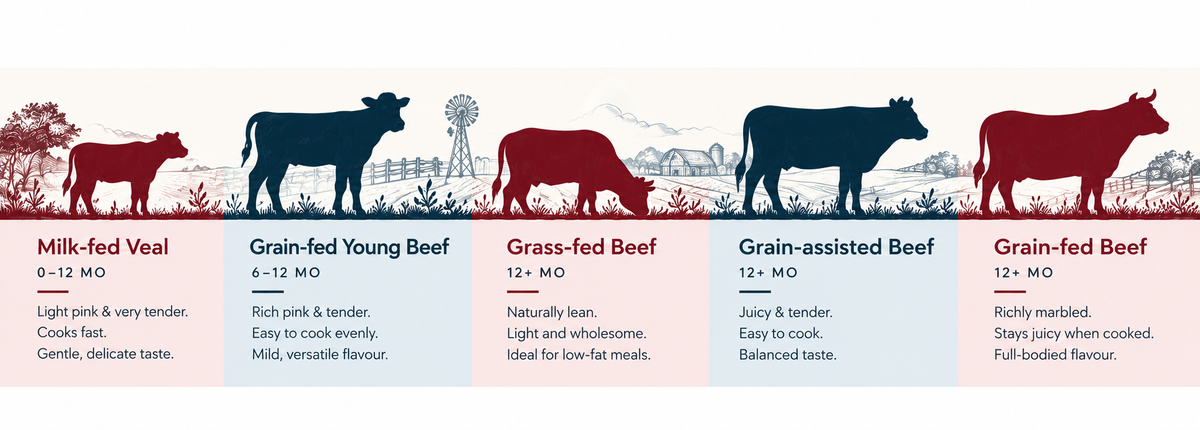
Our range is built around different types of meat, each with its own characteristics. From delicate milk-fed veal and versatile Young Beef to grass-fed and highly marbled grain-fed beef, there is no single option that is right for everything.
The better choice depends on what you’re cooking and what you’re looking for in flavour, tenderness, marbling and value.
Understanding the cut
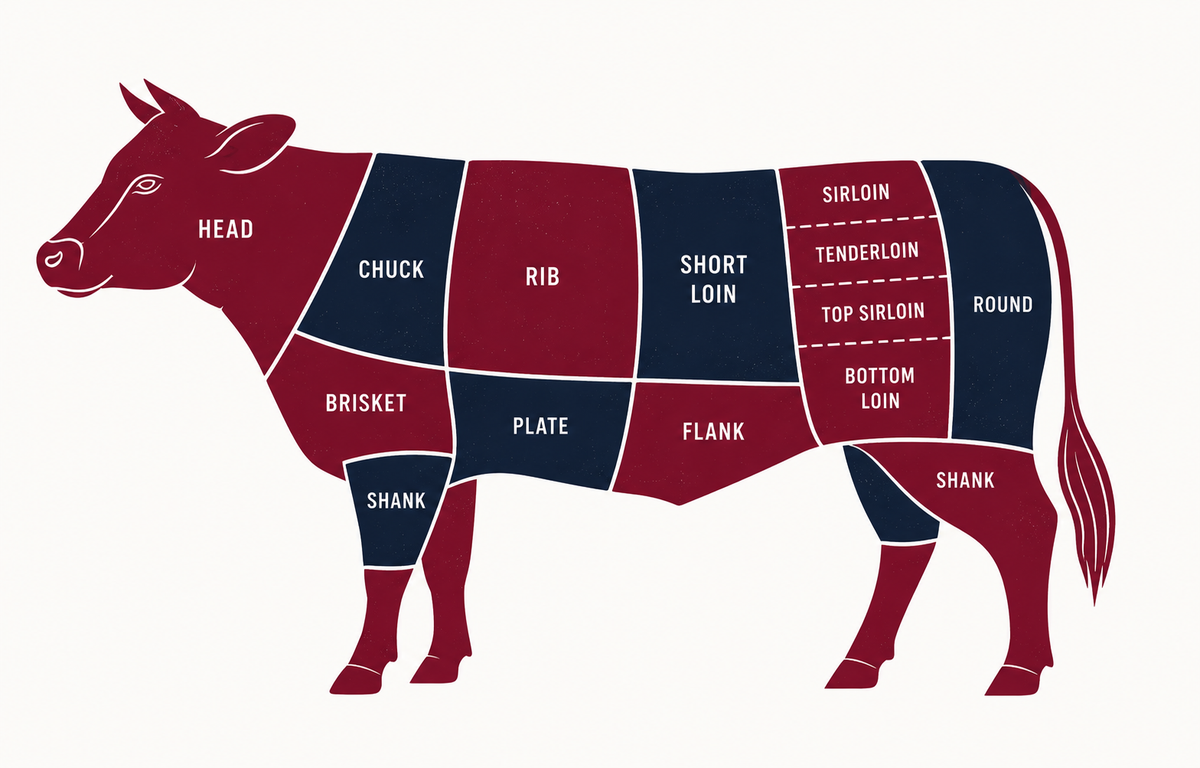
Every cut comes from a muscle, and where that muscle sits and how much work it does affect its tenderness, texture and flavour.
That is why different cuts call for different cooking methods. Some are naturally suited to quick, high-heat cooking, while others develop their best texture and flavour with time and slower cooking.
There are exceptions to every rule, ofcourse, which is part of what makes understanding different cuts interesting.
Muscles that work more
Muscles used regularly for movement and support, such as the chuck and shank, tend to be firmer and contain more connective tissue. They often benefit from longer, slower cooking methods such as braising and stewing, which give that connective tissue time to break down and the meat to become tender.
Muscles that work less
Muscles along the back of the animal generally do less work and tend to be naturally more tender. Cuts from these areas include many of the steaks we know well, such as striploin and ribeye, and are often suited to quicker cooking methods such as grilling and pan-searing.
But there are exceptions
How much a muscle works is a useful starting point, but it doesn't tell the whole story. Cuts such as flat iron, hanger and flank each have their own texture, flavour and ideal cooking method. Age, breed, feeding, marbling, ageing and how the meat is cut can also affect the final result.
What else shapes the meat?
The cut is only part of the story. The age of the animal, what it was fed, its breed and how it was raised can all influence the colour, tenderness, marbling, texture and flavour of the meat.

Age: from veal to beef
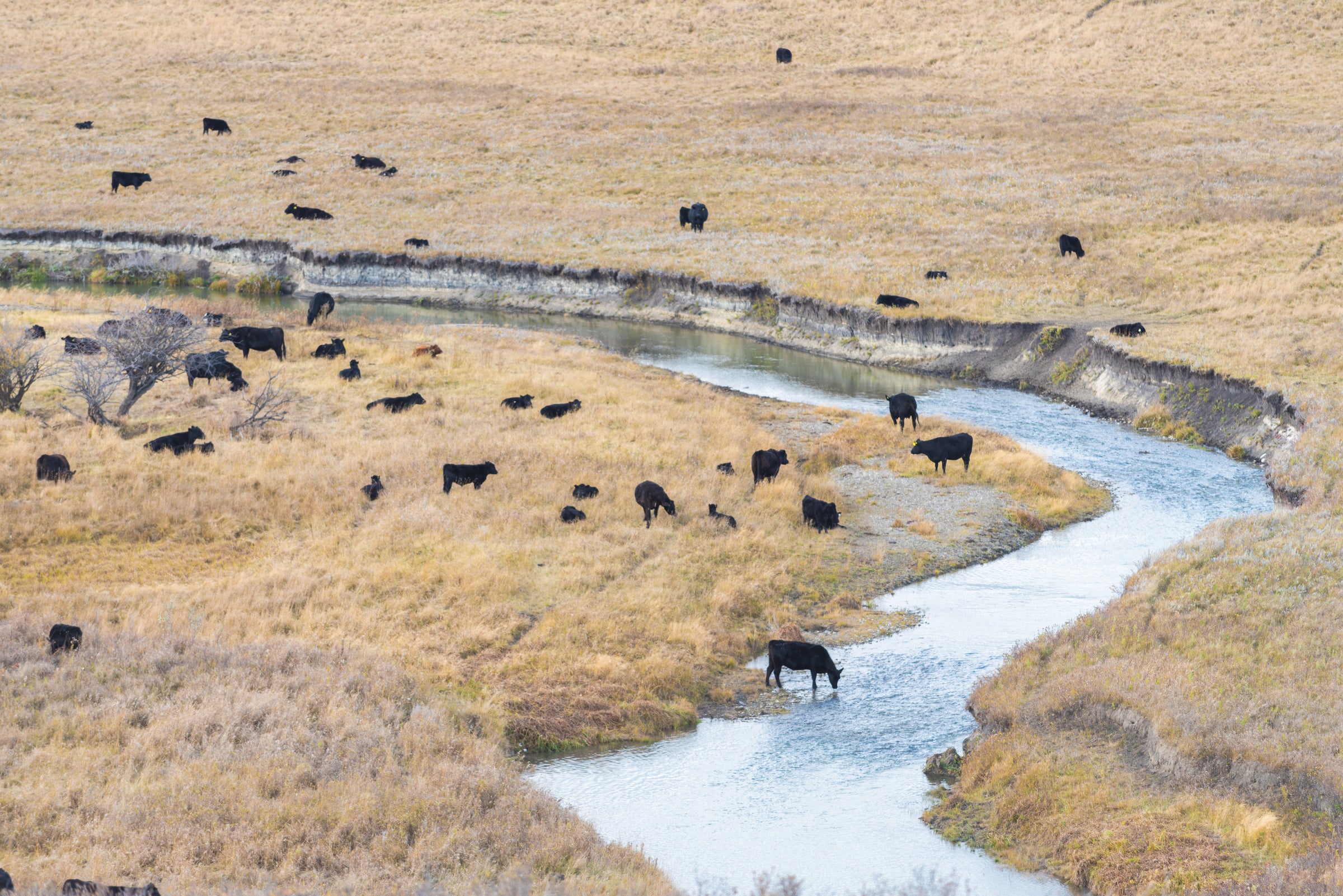
Age has a noticeable effect on meat. Younger animals generally produce lighter-coloured meat with a more delicate flavour and tender texture. As cattle mature, the meat becomes darker, firmer and develops a more pronounced beef flavour.
That is why our range includes different age profiles, from milk-fed veal and Young Beef to mature beef, rather than treating them as interchangeable products.
Different doesn't mean better or worse. It means better suited to different preferences and uses.
Feed: grass, grain and everything in between
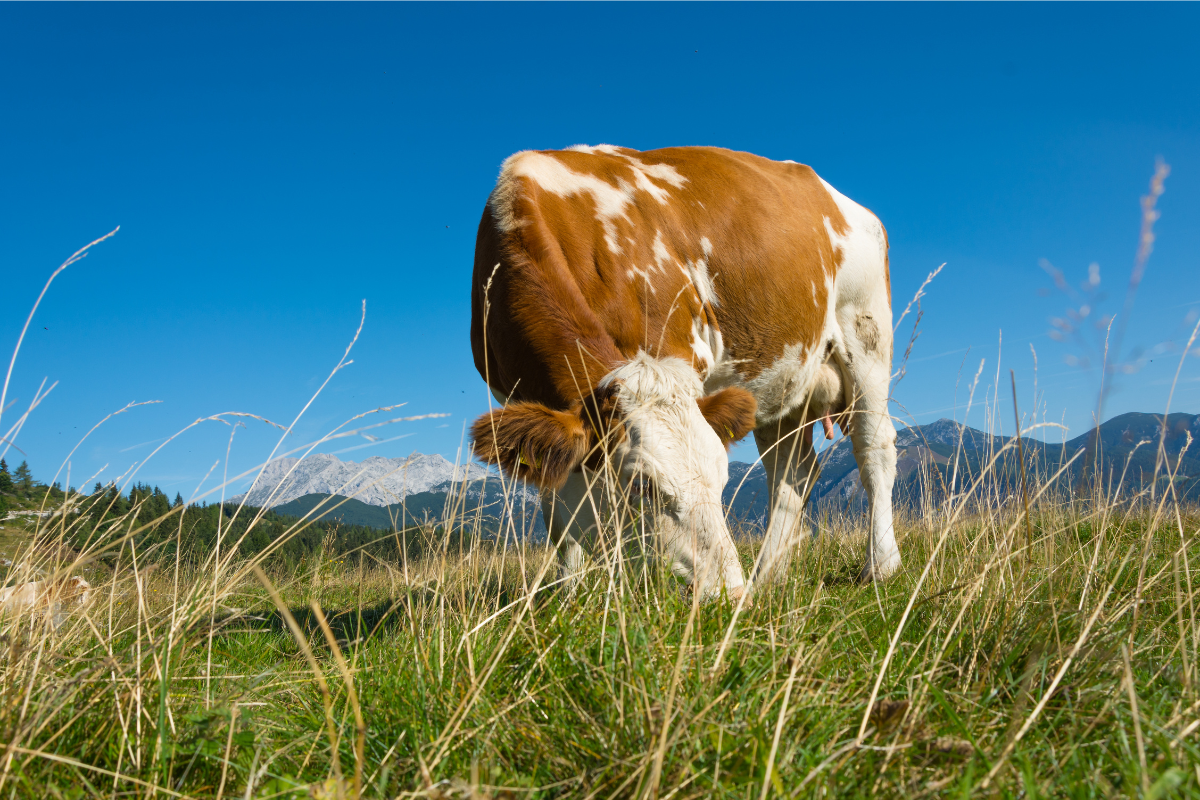
What cattle eat can influence the flavour, fat and marbling of the meat. Grass-fed beef is often leaner, with a more distinct beef flavour, while grain finishing can encourage greater marbling and a richer eating experience.
Feeding systems are not always simply “grass-fed” or “grain-fed.” They vary between producers, regions and stages of the animal's life, which is why we look at the full specification rather than relying on a single label.
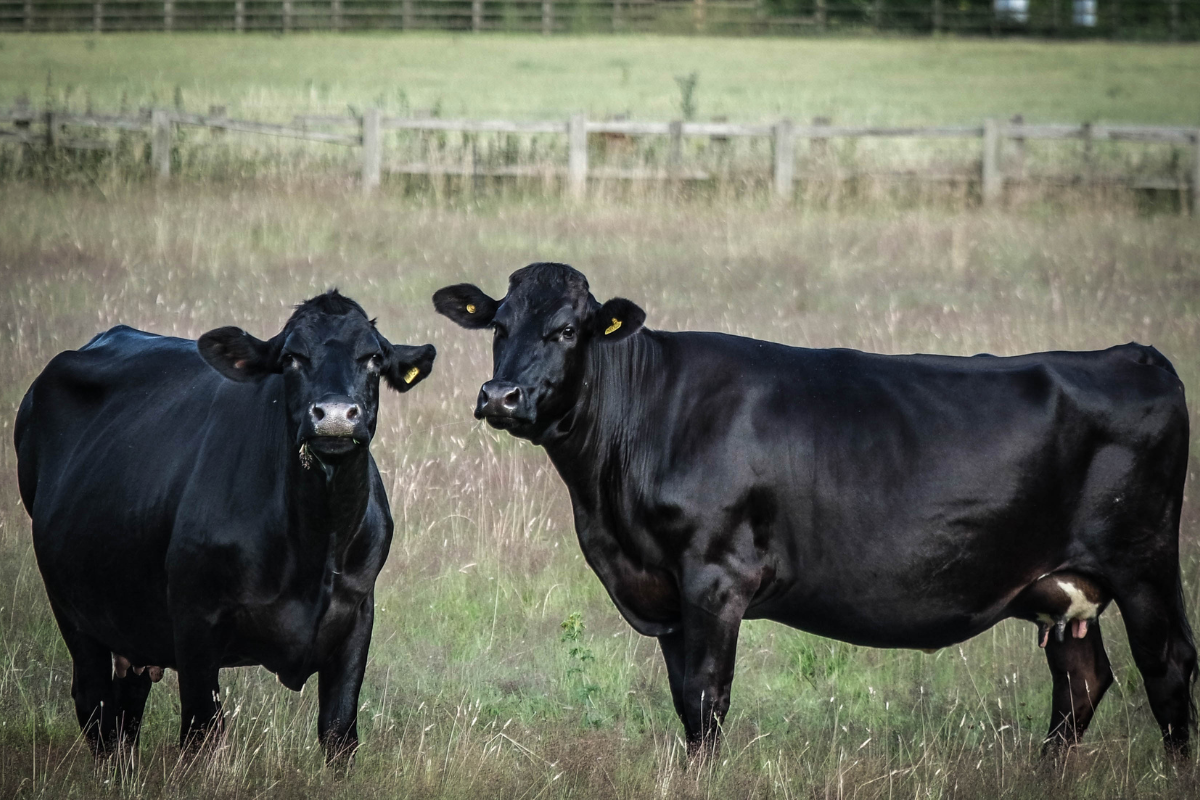
Breed matters, but it isn't everything
Different cattle breeds can have different tendencies in growth, fat distribution, marbling and eating quality. Angus is well known for its ability to produce consistently marbled beef, which has helped make it one of the world's best-known beef breeds.
But breed alone does not tell you whether a piece of meat is good. Feeding, age, genetics, production, grading, handling and the individual cut all matter too.
That is why we look beyond the name on the label and focus on the full specification of the meat we source.
What about marbling?
Marbling is the fine intramuscular fat found within the meat. As it cooks, it contributes to juiciness, richness and flavour, which is why it is particularly valued in many premium steak specifications.
More marbling does not automatically mean better meat for every use. The right level depends on the cut, the cooking method and the eating experience you are looking for.
Still have questions?
Whether you’re choosing between cuts, comparing different types of beef, or looking for something specific, speak to our team.
Give us a call at 01013025511, or click the button below to connect to our team through WhatsApp directly.